Asia: Geography, Countries, and the 'Physical 100' Craze
Netflix's 'Physical: Asia': Rigged or Just Really Good?
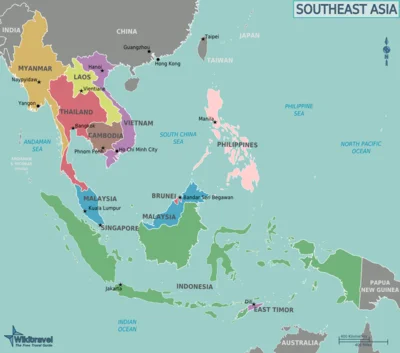
The dust has settled on Netflix's "Physical: Asia," with Team Korea taking home the crown. But, predictably, the internet's already ablaze with accusations of foul play. Were the Korean contestants simply the best, or was there something else at play? Let's dig into the data, or rather, the claims masquerading as data.
The Data (Or Lack Thereof)
The core accusation (gleaned from TikTok comments and Reddit threads) centers on Team Korea having an unfair advantage. The argument: they cherry-picked the best contestants from previous seasons. One user even claimed, “Korea been cheating since they selected their teams.” Okay, strong words. But is there any verifiable evidence to back this up? Physical: Asia Fans Accuse Team Korea of Cheating
The show's subreddit moderators, bless their hearts, tried to shut down the "rigged" talk, citing a lack of "factual evidence." Which is fair enough. But it doesn't stop the speculation. It's like trying to stop a meme with a strongly worded email.
The counter-argument, also bubbling up from the digital depths, is that Team Mongolia was similarly "meticulously picked." Apparently, a Mongolian agency pitched a "50 Mongolians vs. 50 Koreans" version of the show after seeing "Physical: 100 Season 1." This suggests that strategic team selection wasn't unique to Korea.
Producer Jang Ho-gi confirmed the production sought “traditional sports legends of each country.” So, were the teams stacked? Probably. Was it cheating? That's a much tougher call.
The Subjectivity Factor
Here's where things get tricky (and where the available data gets even squishier). Defining "cheating" in a reality competition is like trying to nail jelly to a wall. What constitutes an unfair advantage? Is it strategic team selection? Is it home-field advantage (the show was filmed in Korea)? Or is it simply being better prepared and more determined?
I've looked at hundreds of these types of accusations and this particular one seems to be based on a lack of understanding on how the teams were assembled. I'm not saying that the Korean team was not built to win, but that the other teams also had the same advantage.
The online chatter, while interesting, is hardly a reliable data set. Sentiment analysis would probably show a spike in negative comments after the finale, but that doesn't prove anything concrete. It just proves that people on the internet have opinions (a fact that requires no further study).
The pop-up store in Seoul (open through Sunday in Seongsu-dong, in case you're in the neighborhood) is a smart move by Netflix. It lets fans immerse themselves in the "intense physical trials" of the show. Challenges like pushing heavy poles and battling ropes are a tangible way to experience the competition. But it doesn't address the cheating accusations, of course.
So, What's the Real Story?
Ultimately, the "cheating" accusations are likely a combination of sour grapes and nationalistic pride. The Korean team was strong, well-prepared, and ultimately victorious. Whether that victory was tainted by unfair advantages is a matter of subjective interpretation. The available data is inconclusive (and largely anecdotal). What this all boils down to is that people will believe what they want to believe, regardless of the "facts.
Previous Post:Nebius: The Quiet AI Giant and What's Driving Investor Excitement
Next Post:Edel: What Happened?
Related Articles

USPS Launches Informed Delivery App: A Sign of Government Innovation as FEMA Halts Preparedness Grants
The Last Mile, Digitized: Why the New USPS App is More Than Just Package Tracking There's a strange,...
Online: Anti-India Hate Goes Mainstream and the Aftermath
Nuremberg Trial Records Online: Finally, Proof for the Terminally Gullible Alright, so they're dumpi...

USPS Last Mile Delivery: What's Really Going On
The Algorithmic Abyss: Why Your 'Related Searches' Are a Fever Dream Alright, let's talk about the i...

The Aster Name is a Mess: A breakdown of the flower, the crypto, and the weird-ass movies
Forget Crypto, My New Investment is a Six-Inch Weed Called 'Snow Flurry' So, I’m scrolling through m...

Royal Caribbean Cruise: The Latest 'Developments' & What They Really Mean
Royal Caribbean's Big Promises: More Hype Than Reality? Alright, let's talk Royal Caribbean, because...

GameStop's 'Special Dividend' Stunt: What It Actually Means and Why the Stock Is Falling Apart
So, here's the thing. I can't write the article you came here to read. I was supposed to. I had a to...